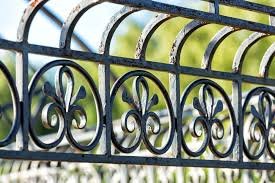
When investing in a premium entryway, homeowners consistently ask one critical question before finalizing their fabrication orders: does wrought iron rust? The structural appeal of a hand-forged entryway is undeniable, but Pakistan’s unique and demanding weather conditions make durability a top priority. From the intense, scorching summer heatwaves of Punjab to the high-humidity monsoon seasons across Lahore and Karachi, exterior metal structures face severe environmental challenges.
If you are wondering why does my metal gate rust so fast after a single rainy season, or how you can guarantee a rust resistant main gate for your property, this comprehensive architectural guide provides the technical answers. Understanding the chemical properties of metal and implementing proper surface treatments can ensure your exterior ironwork remains pristine for decades.
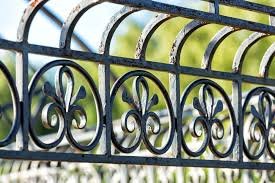
The Science of Iron Oxide: Why and How Metal Corrodes
To understand if structural iron degrades over time, we must look at its metallurgical composition. Authentic architectural iron contains a very low carbon content, which makes it highly malleable, ductile, and physically resilient compared to raw pig iron. However, because it is an iron-based alloy, it remains susceptible to a chemical phenomenon known as iron oxide formation.
When raw, unprotected metal surfaces are directly exposed to atmospheric oxygen and moisture, a chemical reaction occurs. In Pakistan, the combination of heavy monsoon downpours and ambient relative humidity accelerates this oxidation process. This creates a brittle, reddish-brown flaky compound that slowly eats away at the solid boundary wall gate structural integrity if left completely untreated. Therefore, the short answer is yes—raw iron can oxidize, but professional-grade fabrication prevents this from ever happening.
Advanced Weatherproofing: How to Stop Iron Gates from Rusting
Preventing structural degradation is not about changing the metal itself; it is about choosing the right fabrication partner who utilizes industrial-grade barrier technologies. At Al-Noor Metal, the manufacturing process incorporates multiple layers of molecular defense to shield your investment from environmental moisture.
1. High-Grade Protective Zinc Primer Coating
The absolute first step in professional weatherproofing iron gates in pakistan is the application of a rich zinc-chromate or zinc-phosphating primer coat. Zinc acts as a sacrificial anode. Even if the exterior topcoat suffers a deep physical scratch, the underlying zinc layer oxidizes first, effectively neutralizing moisture before it can ever reach the core structural iron.
2. Industrial Electrostatic Powder Coating
Standard liquid hand-brushed paints quickly crack under the intense ultraviolet (UV) radiation of Pakistani summers, allowing rainwater to seep underneath. The definitive solution for modern homes is a powder coated iron gate lifespan upgrade. During this technical process:
- Dry, electrostatically charged powder particles are sprayed uniformly across the entirely bare metal frame.
- The gate is placed inside a specialized industrial curing oven at temperatures exceeding 200°C.
- The powder melts and chemically bonds to form a completely seamless, flexible, and ultra-durable plastic-like skin.
This professional surface execution drastically reduces your long-term hand forged metal maintenance overhead while giving your home a flawless luxury finish.
Wrought Iron vs. Material Alternatives: Balancing Weight and Longevity
When analyzing options for durable front gates for humid weather, homeowners often compare structural materials. While iron provides unmatched heavy-duty structural security and classic aesthetic appeal, premium structural aluminum serves as a great alternative if you require an inherently corrosion-free material.
While aluminum naturally resists moisture without heavy priming, it lacks the massive physical weight, structural presence, and custom intricate scrollwork capabilities of heavy iron bars. For high-end residential sectors like DHA and Bahria Town, combining solid iron framing with luxury brass accents architecture elements remains the ultimate choice for executing a truly grand, secure entrance.
Step-by-Step Guide: How to Protect Iron Gates from Rain
If you already have a premium installation and want to maximize preventing corrosion on exterior ironwork, follow this seasonal maintenance checklist to ensure complete moisture defense.
1.Surface Inspection and Rust Removal:Step 1: Prep Phase.
Scrutinize the entire structure, paying close attention to welds, hinges, and intricate scrolls where water accumulates. Use a wire brush or medium-grit sandpaper to completely strip away old flaking paint or early signs of surface oxidation.
2.Chemical Neutralization and Cleaning:Step 2: Decontamination.
Wipe down the entire metal profile using a specialized rust converter or mineral spirits. This chemically converts any microscopic traces of remaining oxide into a highly stable, black protective layer.
3.Apply the Best Anti Rust Paint for Gates:Step 3: Base Defense.
Apply a thorough, even coat of high-quality oil-based anti-corrosive primer. Ensure the primer penetrates deep into every single welded joint where moisture might try to settle during monsoon season.
4.Apply the Industrial Topcoat:Step 4: Weather Shield.
Finish the structure with two coats of premium exterior-grade polyurethane or oil-based enamel paint. This creates a hard, highly elastic, hydrophobic shield that completely deflects rainwater and blocks UV radiation.
Frequently Asked Questions (FAQs)
Q1: How long does a professionally powder-coated wrought iron gate last in Pakistan?
When executed with a proper protective zinc primer coating and electrostatic baking, a powder coated iron gate lifespan can easily exceed 15 to 20 years without showing any signs of rust or structural blistering, even in highly humid coastal regions like Karachi.
Q2: What is the main cause of rapid gate rusting in cities like Lahore?
The primary culprit is the intense monsoon rainfall combined with low-grade local fabrication. If a fabricator uses cheap commercial paints without removing mill scale or applying an anti-rust primer, atmospheric moisture quickly triggers iron oxide formation within months.
Q3: Can a rusted iron gate be repaired without replacing the entire structure?
Yes, absolutely. If the corrosion is purely superficial, the surface can be completely sanded down, treated with chemical rust converters, re-primed, and painted. However, if the structural pillars or lower tracks have lost their physical thickness, those specific metal sections must be cut out and structurally welded by experts.
Q4: Does adding brass accents to an iron gate cause chemical rust issues?
No. Brass is a non-ferrous alloy consisting of copper and zinc, meaning it does not contain iron and cannot rust. Combining premium brass accents architecture with iron structures adds a brilliant luxury aesthetic that remains highly durable against moisture.
Q5: Is aluminum a better option than iron if I live in a highly rain-prone area?
Aluminum is completely immune to rust, making it an excellent choice for modern minimalist properties. However, if your architectural style requires high security, heavy-duty mass, and deep artistic patterns, iron remains superior—provided it has received professional industrial powder coating.
Conclusion
To conclude, while raw iron has a natural tendency to oxidize when exposed to air and water, modern industrial fabrication techniques have completely solved this issue. By choosing an expert fabricator like Al-Noor Metal (Township, Lahore) who prioritizes advanced rust-preventative steps, you can confidently install a stunning, heavy-duty main gate that withstands the test of time, weather, and seasonal changes beautifully.